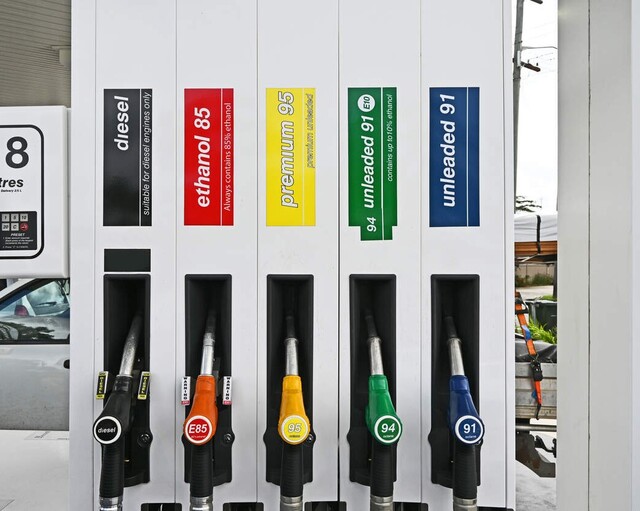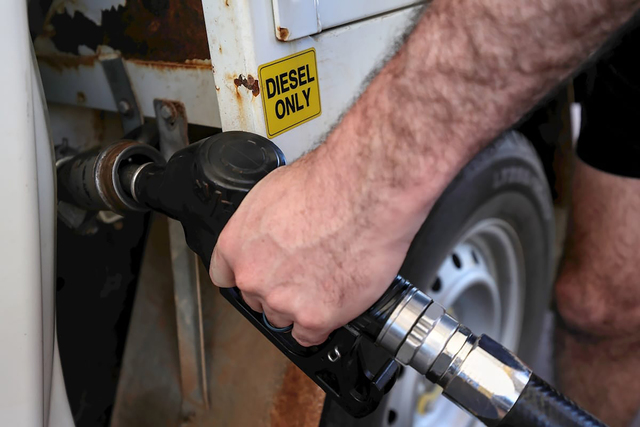
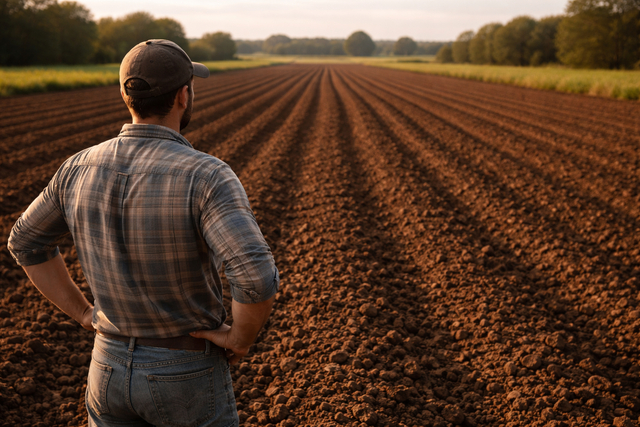

With fertiliser and diesel shortages hitting local farms, there’s a call for payroll tax relief to help growers in disaster zones and those struggling to stay afloat as the Iran war threatens livelihoods.
Queensland Fruit and Vegetable Grower CEO Scott Kompo-Harms, has requested the temporary payroll tax relief from the Queensland Government to help support farm cashflow and recovery.
He put the request first on behalf of primary producers affected by natural disasters, but said it should be considered for those facing fertiser and fuel shortages, if the crisis continued to wreak havoc on their bottom line.
“I think the longer this drags on, that it needs to be an option,” he said.
“The State Government did things like that during COVID when there were supply chain disruptions by giving payroll tax exemptions to certain parts of the economy.
“It’s a good way to give a bit of a cash flow boost at a tough time, and hopefully give people confidence to keep going.
“When there are these kinds of disruptions, some growers may think it’s easier to just walk away, and that’s what we want to avoid.”
The ongoing conflicts in the Middle East as of March 2026 had severely impacted agricultural production in the Fassifern region as fuel and fertiliser prices skyrocketed.
Australia relied heavily on imported fuel. The conflict had disrupted supply chains and there was a risk that energy infrastructure could become a military target.
Mr Kompo-Harms said Australia imported 100 per cent of its urea and 70 per cent of that came from the Middle East.
Some growers were unable to plant winter crops because of the urea shortage.
Kalbar-based vegetable grower, Kalfresh is already working towards being self sustainable.
It recently started earthworks as an Australian first food and energy precinct that uses anaerobic digestion technology to turn food and farm waste into a suite of green energy products, including a renewable natural gas diesel replacement and a synthetic fertiliser replacement called digestate.
The company’s CEO Richard Gorman said the Bioenergy Facility would be delivered in 2027, and produce enough electricity to power electricity and fuel for vehicles and industry.
“While our lead times won’t meet the immediate needs, it does put agriculture in the driver’s seat for the future,” he said.
“This is simple proven technology that can provide both sovereign security for fuel and fertiliser.
“And it’s tech that is already used extensively overseas to fuel truck and bus fleets and return fertiliser to farms.”
Mr Kompo-Harms said Australia’s vulnerabilities had been exposed.
“We need a longer term plan and that’s where the biofuel conversation comes in,” he said.