Staff Writers
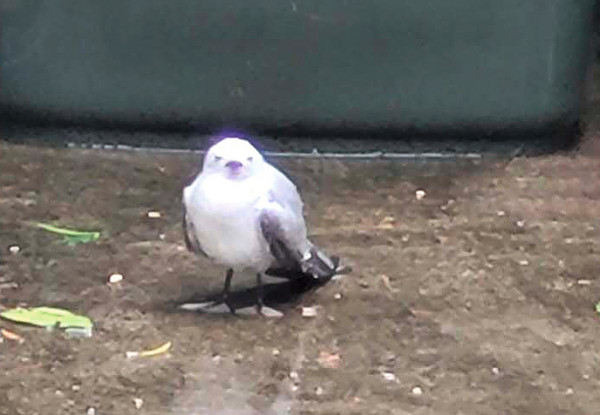
A WOMAN who lives on the border of Ipswich and the Scenic Rim, found an exhausted seabird. She phoned wildlife carers who collected it. She said the bird would be returned to the coast once it recovered from its cyclonic journey. It’s not unusual for birds to be relocated during severe weather events that produce strong winds. Oftentimes wildlife can predict weather changes through highs and lows in atmospheric pressure. Birds minimise exposure by tucking bills into feathers, crouching low and finding shelter. They may feed frantically in the hours before a storm hits. Flight courses are changed to avoid storms and they put as much space between them and bad weather as possible.