MENTION cape gooseberries in a conversation and it will either evoke childhood memories of grandma making jam or more often, questioning looks.
The little-known berry was once a lucrative crop for growers in South East Queensland and in coastal and hinterland regions through to the tropics.
Today, there are only a few remaining growers, who produce small tonnages for a fluctuating niche market.
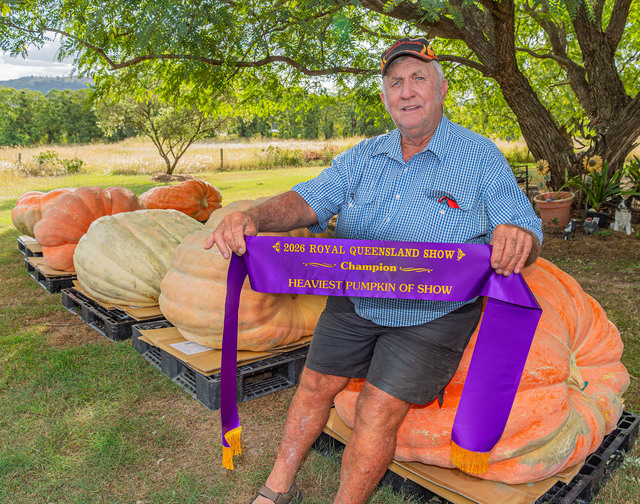
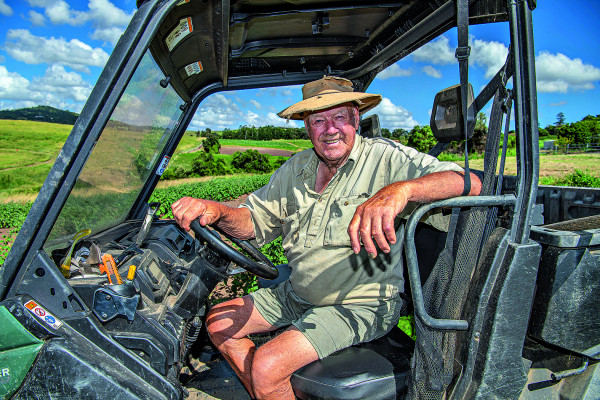
Tom Else, 86, is one of those growers.
He laughingly describes his three acres (1.2ha) under cape gooseberries as a “lifestyle crop”.
In South Africa, Peru, India and New Zealand the commercial growers of the orange berries cater to a strong demand in both local and export markets. In South Africa, the berries are promoted as a superfood, rich in anti-oxidants, minerals and pectin.
The berries can be frozen, have a long shelf life under refrigeration and can be used in salads, compotes, jams, preserves, desserts or as a snack food when dehydrated.
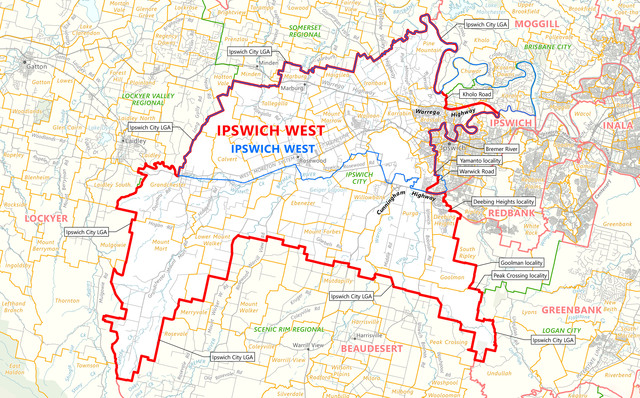
Tom Else farms on Tallegalla Hill high above Rosewood.
He’s developed a cropping system that maximises yield and minimises input costs.
After trialling a number of varieties, Tom has found the old fashioned, common variety of cape gooseberry most suited to the local conditions.
The seeds for the next year’s crop are collected from fruit on plants with good vigour, high yield and produce larger berries. It’s a selection regime he has followed for 20 years.
Each year, he deep tills the soil to a depth of 30cm using a two metre tiller attached to a crawler tractor to keep soil compaction to a minimum.
Meanwhile, the seeds are germinated in starter trays.
Seedlings are hand planted three metres apart at a rate of 1,000 an acre (0.4ha).
Tom stagger plants the crop across three plots to extend the harvest period and to ensure he can beat the birds to the ripe berries.
He begins planting in early summer and harvests from April through to June.
“I irrigate after planting and I don’t irrigate again until the crop is close to maturity.”
Only in the worst of droughts, would he irrigate the crops more than twice between planting and harvest.
Input costs are many times greater than they were when he was first involved in farming as a teenager.
Cape gooseberries are susceptible to the same pests and diseases as tomatoes. As the latter was cropped in ever greater acreages across the region, there was a noticeable build up in pests and diseases attacking the cape gooseberries.
And the failure of biosecurity measures to keep predatory diseases and insects out of the country also had a significant impact on input costs.
“Back when they were grown around here in abundance, a berry could fall on the ground and still be worth harvesting for up to three weeks,” Tom explains.
“Today, you’re lucky if they last three days – soil borne diseases like phytophthora and pythium hasten the deterioration or the birds get them.”
Other pests include Heliothis caterpillars, two-spotted mite and white fly.
Tom says his motto has always been ‘healthy soil, healthy plants’ and while he tries to minimise the use of chemicals, some are needed to see the crop through to harvest.
Botanically, cape gooseberries are perennials, but Tom has found that the first year crop has the highest quality fruit and the highest yield.
“I replant every year.”
Cape gooseberries are mature when the papery husk becomes translucent and the berries are a golden yellowy, orange colour.
It’s a labour intensive harvest as the berries are cut from the stem by hand. Science has played a role in eliminating the time-consuming post-harvest practise of dehusking. Leaving the husk on extends the shelf life of the fruit.
Most of Tom’s harvest is purchased by market stallholders, specialist fruit shops and restaurants.
“There’s one stallholder who simply can’t make enough cape gooseberry jam to keep up with the demand.”