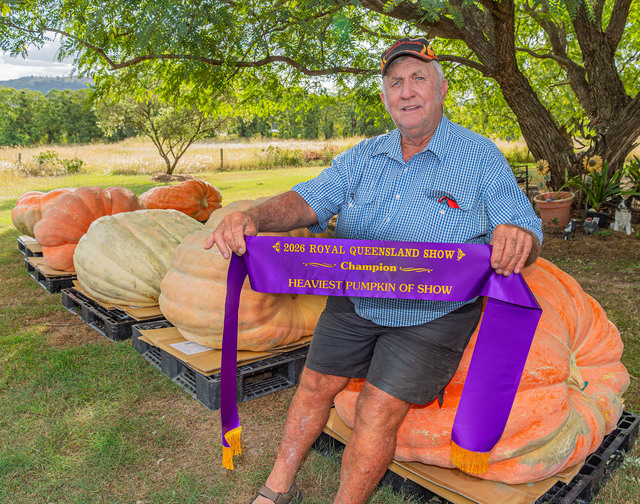

Like many Australian primary producers, Mount Walker grower Troy Stokes is feeling the impact of a war waged a world away.
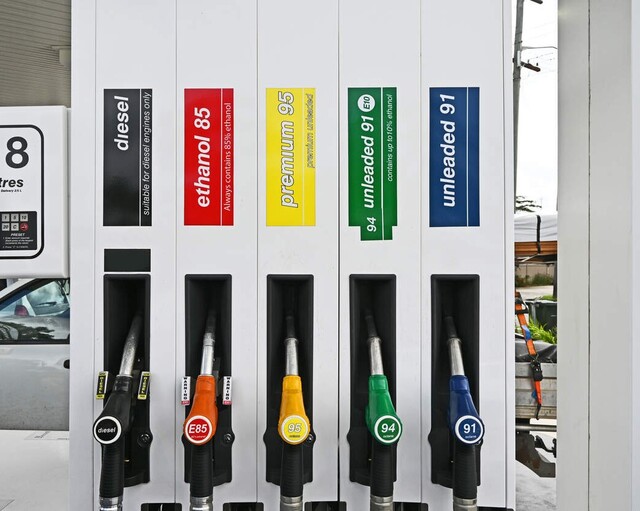
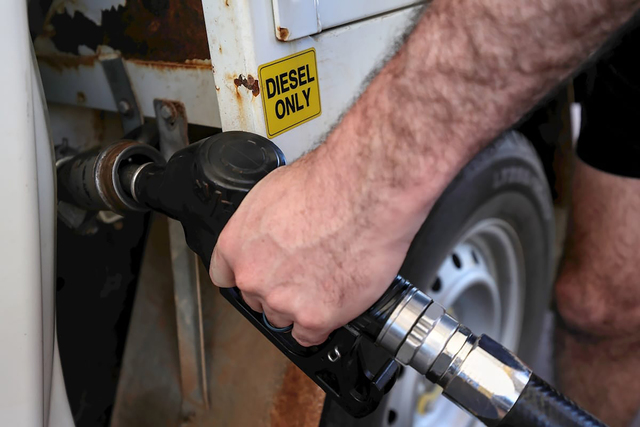
Two critically important components of growing crops are diesel, for the machinery, and fertiliser to get fields ready for planting.
Now both those things are in limited supply or simply unattainable.
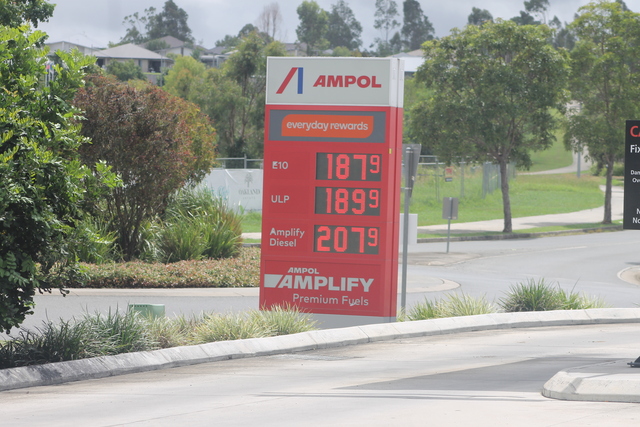
The ongoing conflicts in the Middle East as of March 2026 have severely impacted agriculture production as fuel and fertiliser prices skyrocket.
Australia relies heavily on imported fuel and the conflict has disrupted supply chains.
There’s also the risk of energy infrastructure becoming military targets.
“There’s no diesel and it looks like we are not going to get any fertiliser for planting either,” Troy said.
“[The fuel tanker company] didn’t quite fill us up the other week, he said he’d be back but that was a week ago and now he’s said he has no fuel to put in our tanks.
“They’ve told us they don’t know when they’ll be able to supply us.
“Everyone seems to be getting fuel in town, but they don’t seem to be sending it out west.”
Troy said ‘fellas out west’ told him around 40 high capacity freight vehicles left the terminal each week with fuel to go west, but and just one B-double went out this week.
“It’s not looking good, we have around a hundred litres [in farm tanks], but that won’t last long,” he said.
“We have two headers running at the present time and they use 500 litres a day, and they’re not big days.
“We have put in orders for fertiliser but the supplier doesn’t know if we’ll be able to get it for our winter crop.”
The RACQ have referred major fuel companies to the Australian Competition and Consumer Commission because prices were pumped up less than three days after the conflict broke out.
“The fuel that’s already [in Australia], shouldn’t be dear because it was already in stock,” he said.
“Everyone is just price gouging and everything is going up.”
Planting, irrigating, harvesting and spraying of crops are done using machinery that needs diesel fuel to run.
Like most farmers, Troy relies on diesel powered machinery to grow crops on the 500 acres of land that has belonged to the Stokes family for four generations.
The family grow several crops, cycling them through several paddocks as seasons and soil condition dictate.
Corn, lucerne, oats, wheat, barley, soybeans, mung beans, red and brown onions are all grown there.
“Another thing is the refrigerated transport mob who do all the fresh food transport because they are finding it hard to get fuel,” he said.
“The government says there’s no problems with fuel and I think it’s just not getting out of the towns and to the farms.
“They want to keep the towns going but they’ve got to have food on the shelves too and that’s not going to happen if producers don’t have fuel.”