From the craftiness of birds using larger animals to scare up their food to one which uses a remarkable way to find prey in the dead of night, we offer you a quick sketch on some more of our local birds.
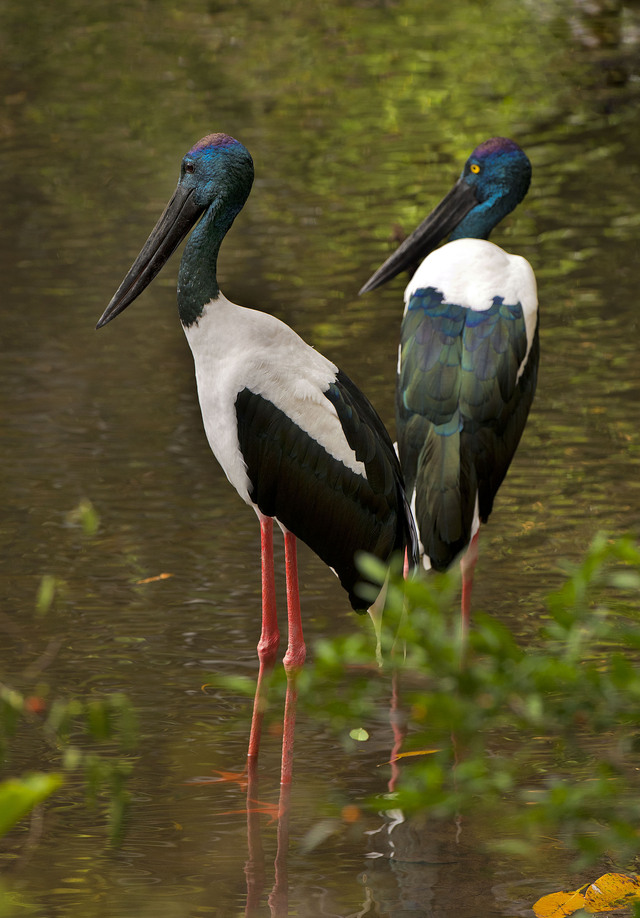
JABIRU
When Australia’s only stork makes its infrequent visit from northern climes, it makes an impact. Our stork is a large white bird with black bands across its wings and has a stunning iridescent purple-green neck. Its big beak is even stronger than it looks and it uses it with aplomb when hunting snakes, frogs, turtles, eels and fish in swampy wetlands and shallow dams. While they can be seen in flocks in Queensland’s far north, sightings here tend to be of singles or pairs.
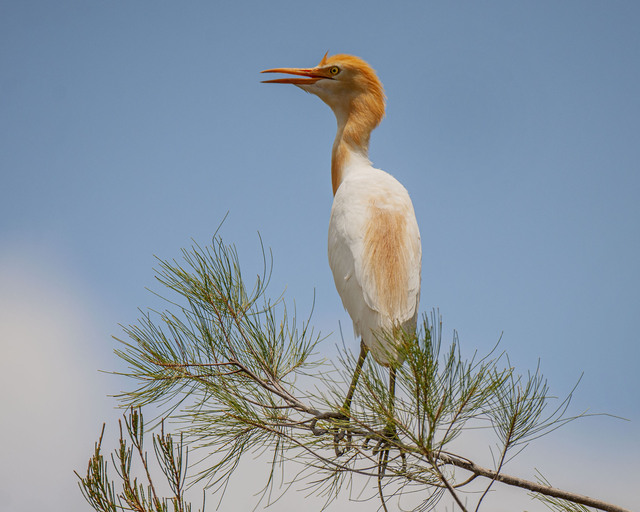
CATTLE EGRET
A small white heron with heavy salmon tints on its back, head and breast during breeding season. Its yellow bill also brightens and its black legs turn red or yellow. Often seen sitting on the backs of cattle – an ideal perch to hone in on insects disturbed by the beast’s hoofs. Its preference is for grasshoppers but will also eat lizards, frogs, cane toads and small mammals. Often seen in small flocks, these birds breed in colonies in swampy areas in platform nests high up in trees and bushes.
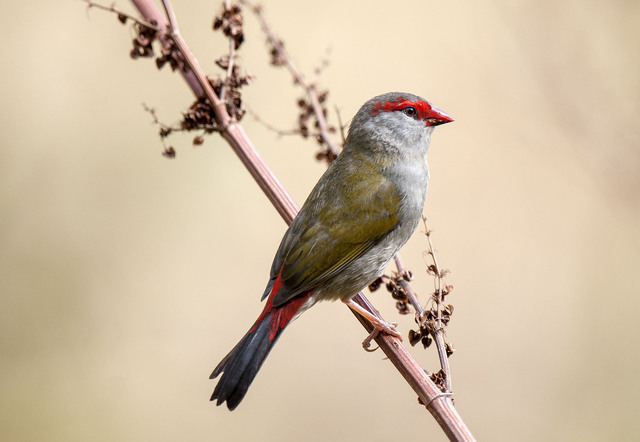
RED-BROWED FIRETAILS
The bright red on its head, beak and tail are this finch’s call sign. It’s found in grassed areas but never too far from the protection to thick bushes. It’s one of the little birds you often see balanced on long, seeding grassheads. It also feeds on insects. Parents share nest building duties as they build a domed nest with a side tunnel as the entry. They also share feeding duties when the eggs hatch.
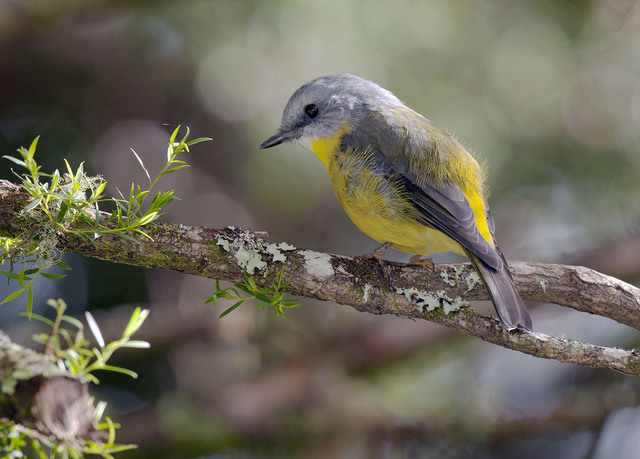
EASTERN YELLOW ROBIN
Plump with yellow breast feathers offset by soft, grey-blue feathers on head and wings, the yellow robin is mainly found in treed areas as well as parks and gardens. It perches in branches and does a fast drop to the ground to capture insects. Its genus name translates from the Latin to ‘dawn harper’ as it is often the first bird to be heard at the beginning of the day. According to the Australian Museum, breeding pairs may lay up to three clutches of eggs, but parenting duties from home building to feeding is solely the purview of the female.
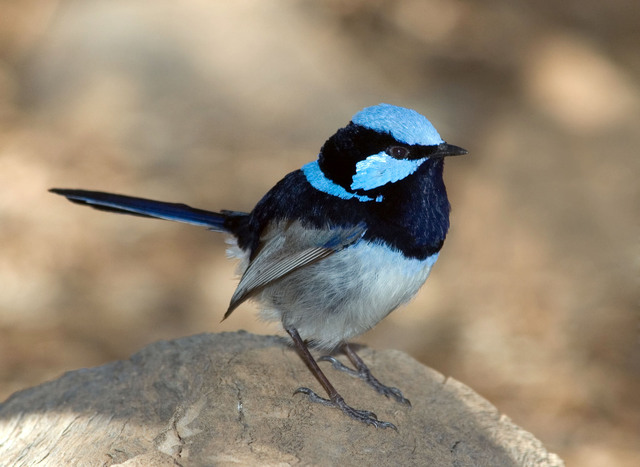
SUPERB FAIRY WREN
The striking blue feathers in this species are reserved for the breeding males while the markings of the females and non breeding males tend to be a mixed bags of creams and light browns. The fairy wrens are definitely in the lightweight division with an average weight of between 8g and 13g. They are active feeders in lower foliage and on open ground but always positioned close to shelter. Breeding season is a delight for the fortunate onlookers with the males offering an array of courtship flight displays and they pluck yellow petals to show to their intended mate.