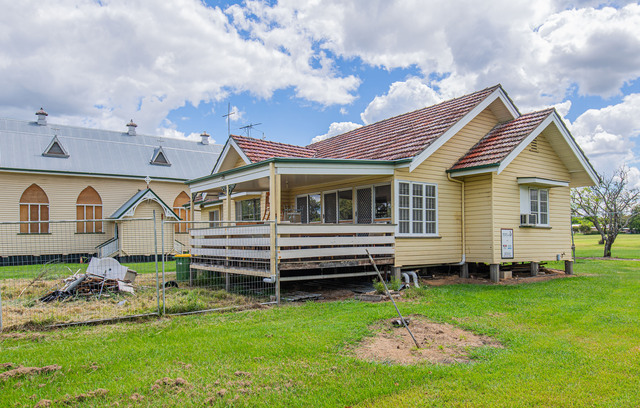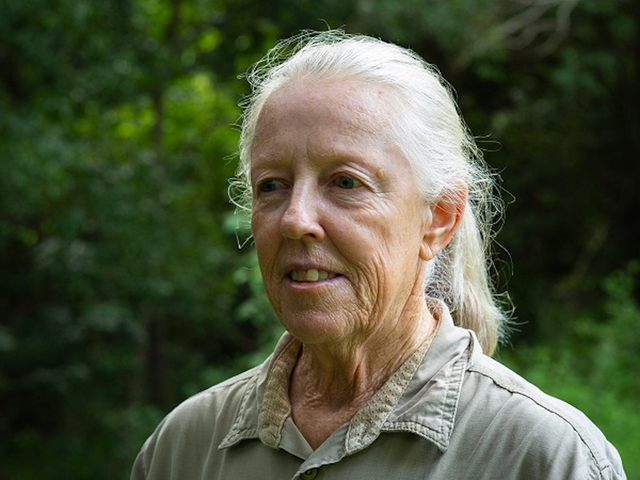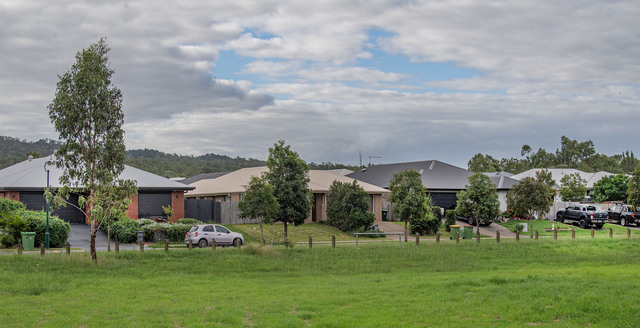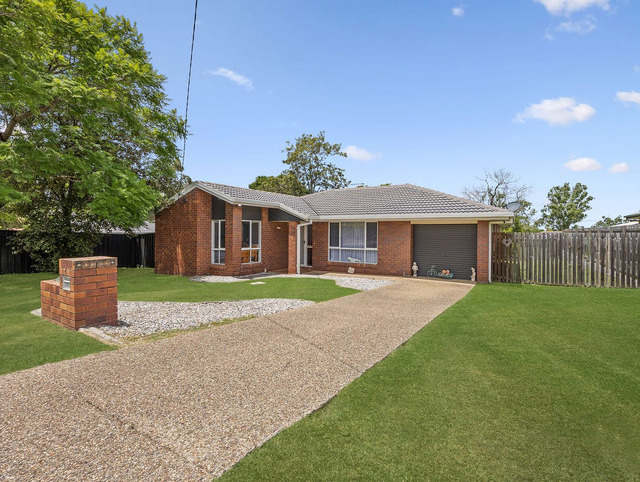
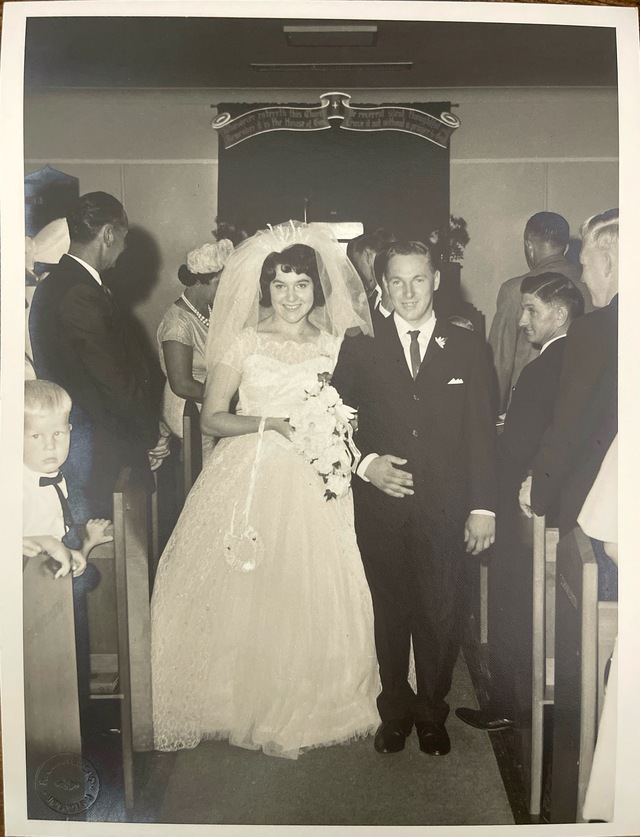
Perched on a hill in Rosewood, where the wind rarely rests and the horizon opens in an unbroken circle, Cobby and Betty Claydon have spent six decades shaping a life as steady and enduring as the land itself.
Their property carries the imprint of three generations, each leaving its mark. Cobby, born in 1941 in the home his father built on his grandfather’s land, grew up alongside its changing seasons. Over time came dairy cows and cream, chooks and crops, beef cattle and horses. Lucerne, corn, sorghum and melons once filled the paddocks, while children grew up beside them.
Before family life settled into its familiar rhythm, there was a dance..
Betty recalls the night with clarity. A group of young men travelled from Rosewood to a dance at St Paul’s in Ipswich. She had planned to go to the pictures, but instead found herself on the dance floor.
“He picked me,” she said.
At the time, Betty worked in a grocery and takeaway store in West Ipswich. Cobby, four years her senior and a skilled dancer after lessons in Brisbane, made his impression, as he put it, in “ordinary shorts, long trousers and a shirt.”
The evening ended with quiet determination. Cobby insisted on driving Betty and her sister home, leaving his mates waiting behind. It was a small gesture that would carry forward through the years.
His working life had already begun to take shape on the railway, starting as an apprentice wagon builder before continuing in the trade and later, as he recalled, being given the chance to “go on as a chippy.”
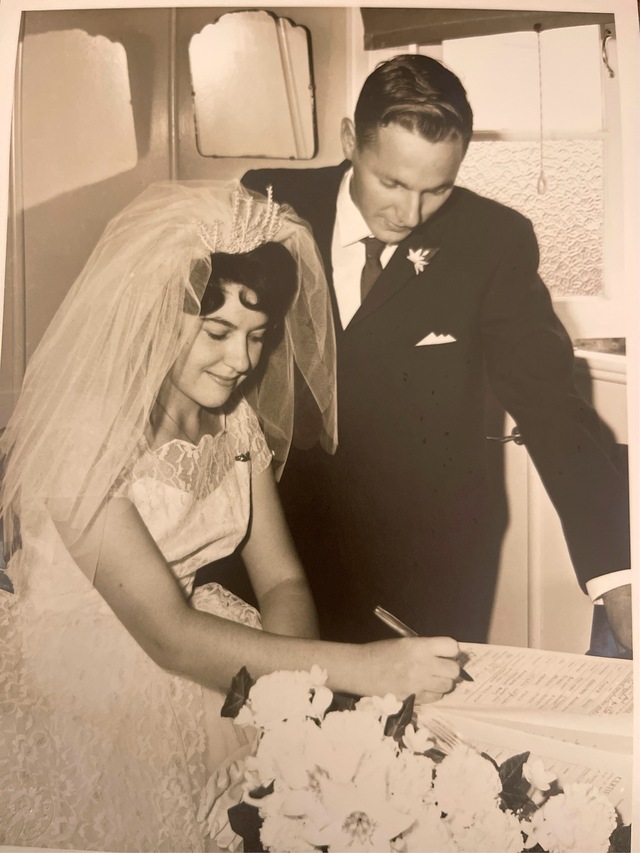
They married on April 2, 1966, though the ceremony began later than intended. An 11am start had been planned to allow farming guests time to milk their cows, attend, and return for the afternoon round.
“We arrived at the church, and the minister didn’t know we were pulling up, and dad said ‘why’s the minister out here?’” Betty said.
The car had stopped and her father asked the minister what was wrong.
“Is the groom coming to the wedding?” came the reply. Betty laughed. “He said, ‘you’d better drive around the block again!”
“His mates from Bundamba race track took him out, (the evening before) and they had him in the bath in the morning to sober him up to get to the wedding.”
Still shaking off the night before, Cobby reached the altar, though the vows proved another challenge.
“He said ‘what’s your name?’ He couldn’t say Elizabeth Myrtle!” Betty laughed. “What a day that was!”
Cobby smiled at the memory.
Elizabeth (Betty) Myrtle Cooper married Alfred Crosby (Cobby) Claydon at the Raceview church, with Minister Llew Edwards officiating. The three-tier wedding cake, baked by Betty’s mother and decorated by Betty herself, featured pastel colours to match the bridesmaids’ dresses.
Their honeymoon took them to Sydney for the Royal Easter Show and the Doncaster races, reflecting Cobby’s lifelong connection to horses.
Four months later, their first child, Deborah, was born.
Life on the farm was never polished, but it was full. Three more children followed—Kathryn, then Kenneth and Stanley—growing up among paddocks, cattle yards and mulberry trees that left their marks on clothes and hands. Chores came before comfort, from carting water to tending livestock.
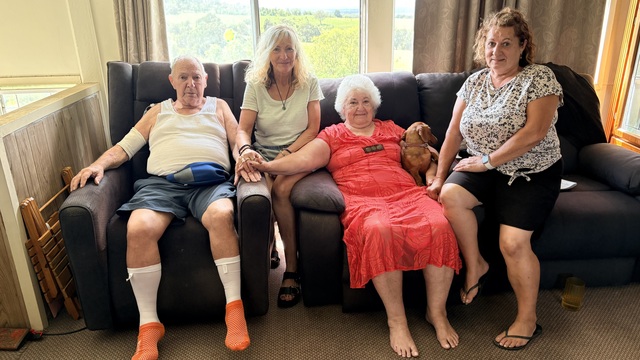
Together, they built more than a home; they built a legacy. Their four children have grown the family to 16 grandchildren and 16 great-grandchildren, with another on the way.
Through it all, their bond has remained constant.
“We had no secret,” Betty said. “We’ve just been there for one another and did what we had to do.”
“We look out for one another.”
It is a sentiment reflected by those around them—grounded in friendship, respect, and a quiet commitment to stand together through whatever life brings.
As they approach their 60th wedding anniversary, alongside Cobby’s 85th birthday, celebrations will likely be modest—a meal with family, perhaps at their familiar local, the Royal George. The days of parties and “rocking on the hill” may have passed, but what they built endures.
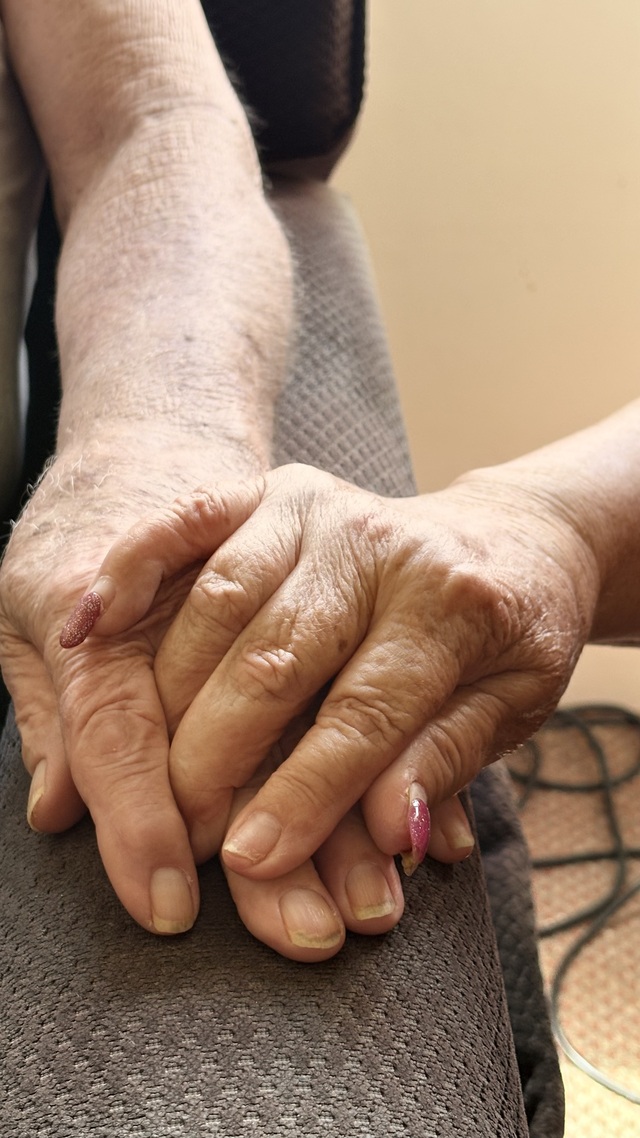
And inside the house, where generations have come and gone, two people sit side by side, hand in hand—still, in their own way, dancing.