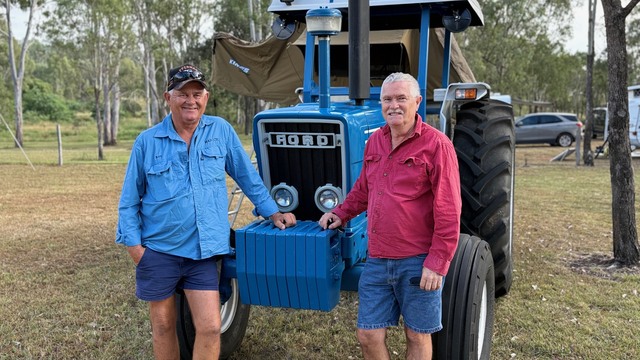
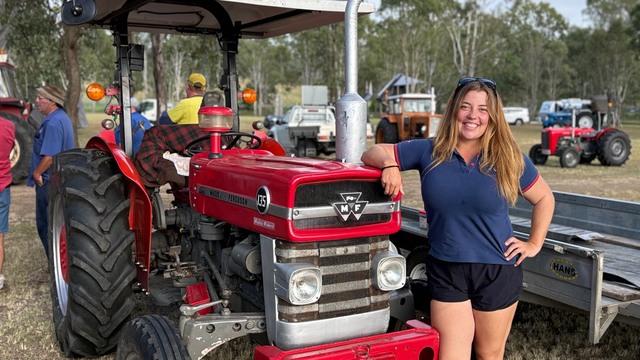
In the biennial tractor trek of the Milbong and District Classic Tractor Club, participants celebrated vintage engineering and a time when machinery was designed to be repaired, not replaced.
But it’s different with modern tractors and the growing debate around the “right to repair” is a rural talking point.
Here’s what participants had to say:
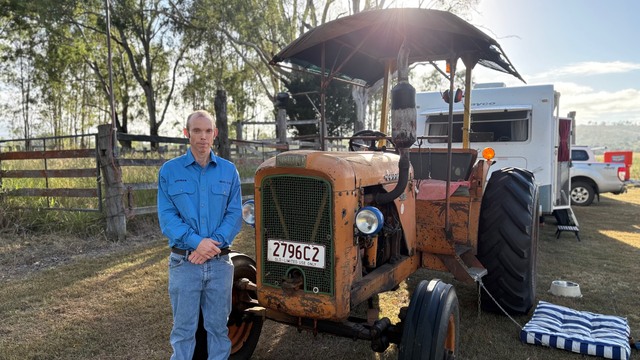
Harrisville resident Andrew Vining: “I’m a diesel fitter, and I’ve seen both sides of the story. Coming from a dealership, we saw a lot of people do stuff that they shouldn’t do to make the problem worse. From a farmer point of view, I can see they want to save money, because they’ve got rising costs,”
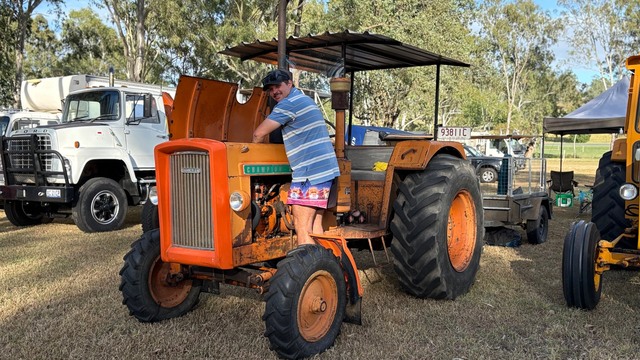
John Dionysius, a mechanic from Grantham, agreed modern systems had complicated repairs. “It’s a pain. Very hard to fix up, because they need scan tools and laptops to actually diagnose what’s wrong. And it’s not as simple as ‘just replace this part’.”
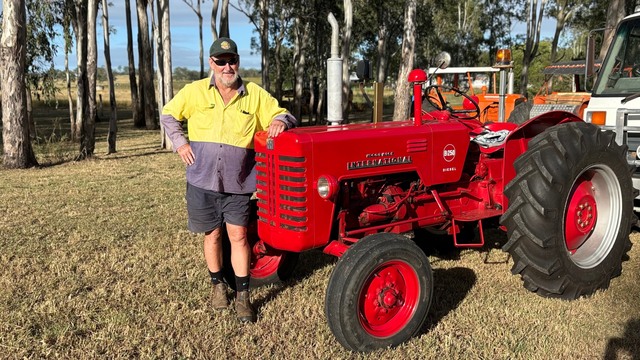
Pat Topp, from Flagstone Creek, driving an International B250, took a simpler view. “All the older tractors, farmers can fix themselves.”
Ray Opperman of Teviotville said the issue often came down to access to information. “I think that’s more to do with the dealerships, holding back the information. It doesn’t affect us, because these things don’t have computers,” he said.
Among the visitors was Taraneh Crick from British Columbia, Canada, who admired the longevity of the machines on display. “All these beautiful tractors still run, so they were built right the first time,” she said.
For many on the trek, the appeal of older machinery lies in that durability and independence, ensuring agricultural heritage continues to roll forward, one tractor at a time.