
It is to one, as it is to all
CANCER is the great equaliser.
That’s what my husband said when I mentioned Kate, the Princess of Wales’ cancer diagnosis and how long she’d been out of public duties.
“It must be a really bad cancer, one that needs lots of chemotherapy or treatment … maybe even surgery?” I surmised.
A bad one … it’s something people say when they hear of a diagnosis.
“Is it a bad one?”
And it makes sense to ask because some cancers are easily treated or at least stay settled long enough for the afflicted to live a long life.
Like prostate cancer.
When my dad was diagnosed with prostate cancer around eight years ago, he reminded us it’s a cancer most die with and not from.
So, a good cancer?
Then there was my grandmother who died not long after a leukaemia diagnosis or my paternal grandmother who had breast cancer in her later years and passed away.
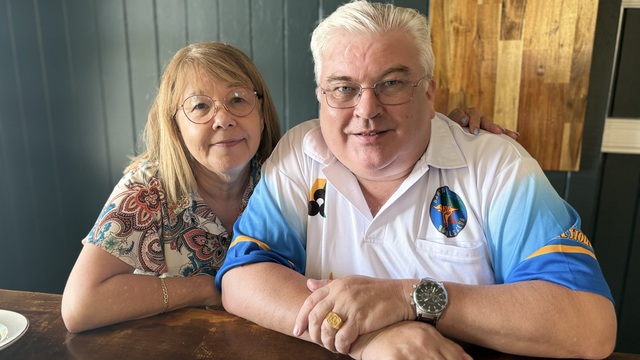
Now I am losing my dear uncle Bruce, a man who has been like a father to me since migrating to Australia from South Africa in 2001.
He’s my dad’s youngest brother and organised the visa that got me into the beautiful country I now call home.
Bruce had a cancer diagnosis around 10 years ago.
It was a common melanoma, a mole.
It was removed and he was sent on his way.
“I used to use brake oil to tan when I was in the army,” he said.
He knows his behaviours likely caused the diagnosis but to be fair, the dangers weren’t known or understood in the 1960s and 1970s.
Two years ago, he felt a scratch and small lump on his back.
He played the game of appointments and waiting for specialists in the months that followed, growing increasingly frustrated and concerned.
The lump was growing and growing fast.
Within six months, it was the size of a grapefruit and two months after that, a large rockmelon.
He started calling it his monkey.
“I’m having the monkey taken off my back,” he told us.
The surgeon removed it, it was cancer … melanoma.
Back he went, scans and tests showed melanoma in his lungs too and the oncologist said he has around 18 months left, at best.
Two weeks ago, we got news it’d spread to his brain.
Some cancers are easier to ‘fix’ than others, quicker too, which is why so many of us wonder which one Kate has.
Cancer doesn’t care what race you are, if you’re rich or poor, if you are a good person or treat people horribly.
I’ve often thought billionaires would give everything away for a rundown cabin in the woods if it meant a loved one was cured of terminal cancer.
I know if my child had it, nothing would matter but them being well and living a long life.
Perhaps the interest in ‘what kind’ of cancer Princess Kate has, is because we identify with the basics of what’s happening.
She’s a mother with three young children who has cancer and with this, joins millions of women the world over doing the same.
Fighting the same battle.
Her wealth and social standing mean nothing and I’d suggest she’d happily exchange that to be broke and unknown … but healthy.
Cancer is something that affects us all, if we don’t have it or get it – we know someone who has.
It’s the great equaliser and a reminder of our mortality.