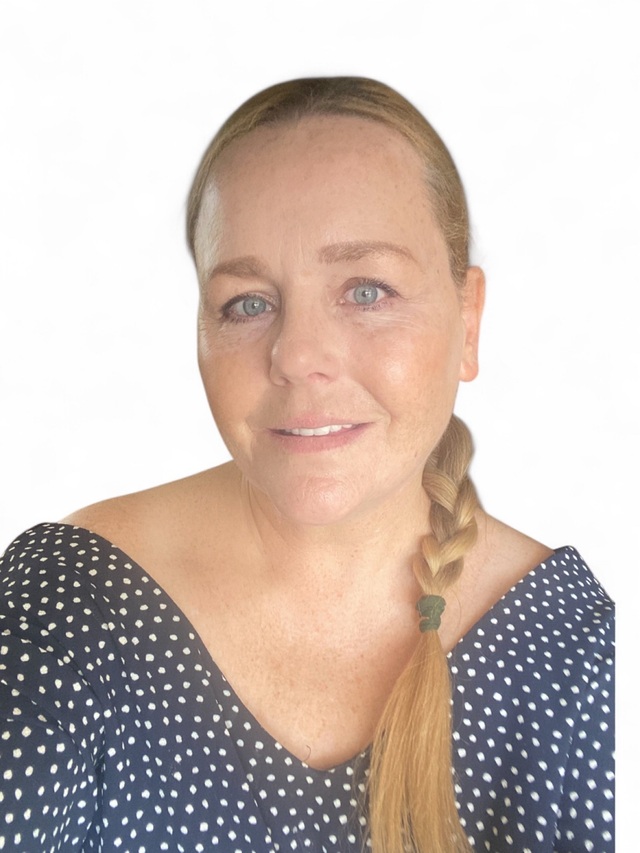
THE rise in number of social media groups dedicated to finding birth parents or children who’d been adopted, sparked Diane Cuff’s interest in tracing lost relatives.
Five years ago, Diane was trawling through Facebook when she realised sites unintentionally ‘named and shamed’ parties on both sides.
Taking it off social media’s front page was the first step in making a platform where those who sought connection could do so in relative privacy.
“I’d been volunteering on a specific adoption page, just finding birth families for adoptees and working with DNA,” she said.
“I got so many enquiries that I decided to set up my own Facebook page named Adoption Search Australia.
“Our page is different in that it’s private and no one is allowed to post names of any birth mothers, fathers, siblings or whomever.
“All our searches are done privately, one on one.”
The work is also carried out on a volunteer basis and no money changes hands.
“I started off as a one man band the first 15 months and solved about 70 cases in that time and I just couldn’t keep up with the demand,” she said.
She now has a team of ‘search angels’ helping her.
“DNA testing has been an absolute game changer for adoptees,” she said.
“In the past adoptees were able to apply for their adoption records once they turned 18, and this had their birth mother’s name.
“They could then request a marriage search to find her married name, then our volunteer looks up her address using the electoral records.”
Diane said in the 1950’s, 60’s and even 70’s, there weren’t the checks and balances in place you’d find in more recent times.
This meant birth mothers were able to use false names and the only way to find them was by DNA testing.
“Also, if an adoptee is able to find their birth mother, ofttimes she won’t tell them or doesn’t know who the birth father was,” she said.
“Using DNA, we are able to identify who the birth father was and I’d say in as many as 80 percent of the cases I’ve worked on, the birth father ends up welcoming contact and many are unaware the child existed.”
A common and understandable response is ‘but I haven’t been DNA tested’.
“You don’t need to have been DNA tested, you don’t even need a close relative to have been DNA tested, this is the beauty of DNA,” she said.
Being able to confirm an unknown blood relative’s existence by DNA testing of one source only seems complicated and contrary to how this type of test works, but Diane said it works.
“What I do is exactly what the police do to solve cases using DNA results.”