THERE’S no doubt being active contributes to living longer and enjoying a more fulfilling life, but what about seniors who want to move more but struggle with mobility issues?
Getting older doesn’t mean no longer playing sport or exercising.
It’s recommended at least 30 minutes of exercise every day can help with circulation and heart health.
Playing sport isn’t off the table, it’s the kind of sport that matters as you age.
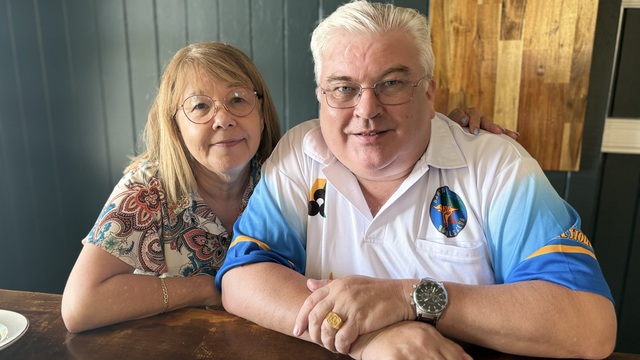
Many older Australians enjoy lawn bowls.
It is a way to keep moving while socialising in a competitive environment.
Swimming is also favoured because exercising in the water reduces impact on joints, making it a popular choice for people who suffer from arthritis.
It also helps improve cardiovascular health, muscle strength and strengthens ligaments and tendons.
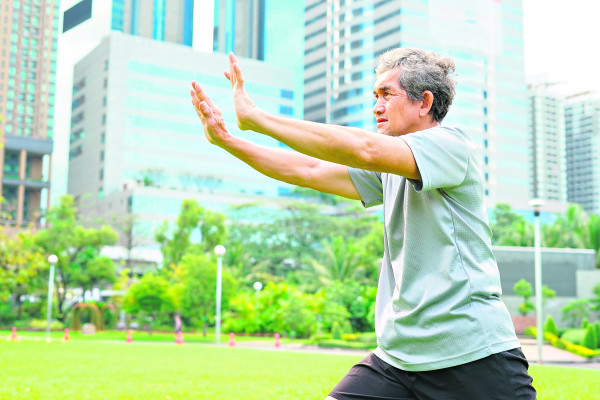
If you’ve seen a group of seniors doing slow, methodical hand and leg movements, it’s likely they’re doing Tai Chi.
Tai Chi involves gentle movement with no fancy equipment needed.
Muscles are usually relaxed rather than tensed and connective tissues are not stretched so you’re improving your flexibility and muscle strength without putting too much stress on your body.
It can also help improve balance which reduces fall risk.
Dancing gives you a full body workout and while you may not be able to do the boogie of your youth, moving to music helps improve energy levels and lifts mood.
If you have limited balance and capabilities, try seat dancing which is a seated exercise or line dancing.
Tennis is one of the more rigorous sports but something many seniors still enjoy playing.
If you used to enjoy hitting the ball why not join the local tennis club and ease yourself back into the game.
Walking soccer … it’s a thing!
No running allowed in this sport, walking soccer is an excellent way to join in on a team sport while minimising stress on joints and the risk of injury.
It’s a low impact sport with all the benefits of reducing the risk of cardiovascular disease, lowering blood pressure and improving mobility.
It is important to speak to a doctor before starting any exercise program.
When starting, begin at a low level and progress slowly, especially if you haven’t exercised in a long time.
As you progress, the benefit in overall mood and energy levels will pay dividends and you’ll be glad you started.