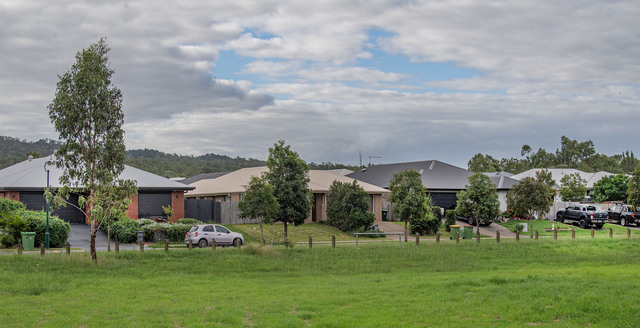
The unimproved value of properties across the Moreton Border News circulation area soared in the three years from 2022 to 2025.
The latest valuations issued by Valuer General, Laura Dietrich, showed Ipswich region unimproved land values had increased by an average 51% across all property types between October 2022 and October 2025.
The revaluation of the Ipswich local authority area by the Valuer General’s department was undertaken in October 2025 and will take effect from July 1, this year.
The leap in land values in dollar terms means that the value of all the land within the city boundaries has risen from $30.4 billion October 2022 to $48.6 billion in October 2025.
And almost all local land types have kept pace.
Unimproved land
Rosewood – Thagoona median value is up 56.6 per cent from $207,500 in 2022 to $325,000 in 2025
Marburg median value is up 50 per cent from $245,000 in 2022 to $367,500 in 2025
Walloon median value is up 50 per cent from $220,000 in 2022 to $330,000 in 2025
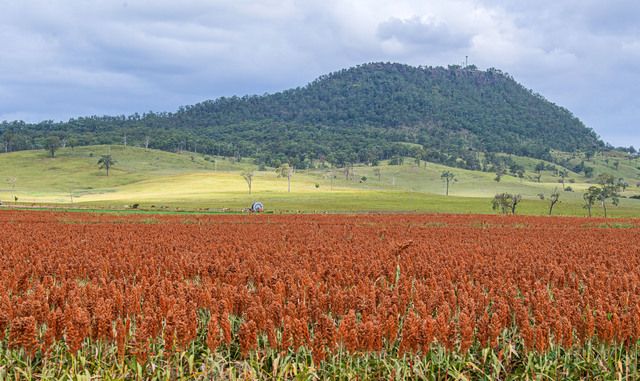
Primary production land in the Ipswich local government area is up 59 per cent from $339,529 in 2022 to $525,942 in 2025
According to the Valuer General’s report, the number of primary production properties has remained static at 416, since the last revaluation.
Most of those properties are located in the Rosewood, Walloon, Tallegalla, Marburg and Mount Marrow area. Lesser numbers are found in Ebenezer, Willowbank, Purga and Peak Crossing.
While all types of land across the Ipswich local government area have shown a significant increase in unimproved land value, there is a noticeable lag in commercial land (23% increase) and multi-unit residential land (33.5% increase).
The most significant increase was experienced in the Industrial land category which rose in value by 80.5 per cent from $2 million in 2022 to $3.6 million in 2025.
Of the 15 local government areas revalued by the Valuer General in October 2025, the most significant average increases were found in North Burnett shire north west of Gympie – 85 per cent and Etheridge shire, Far North Queensland 79 per cent.