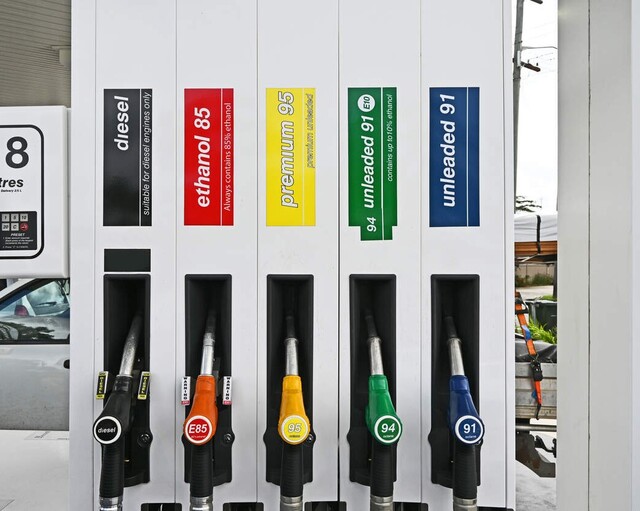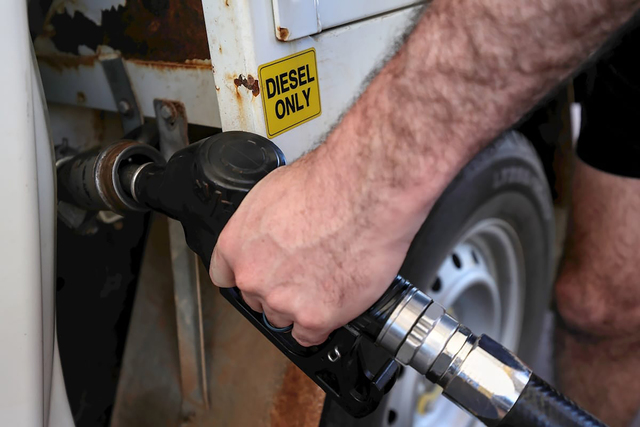
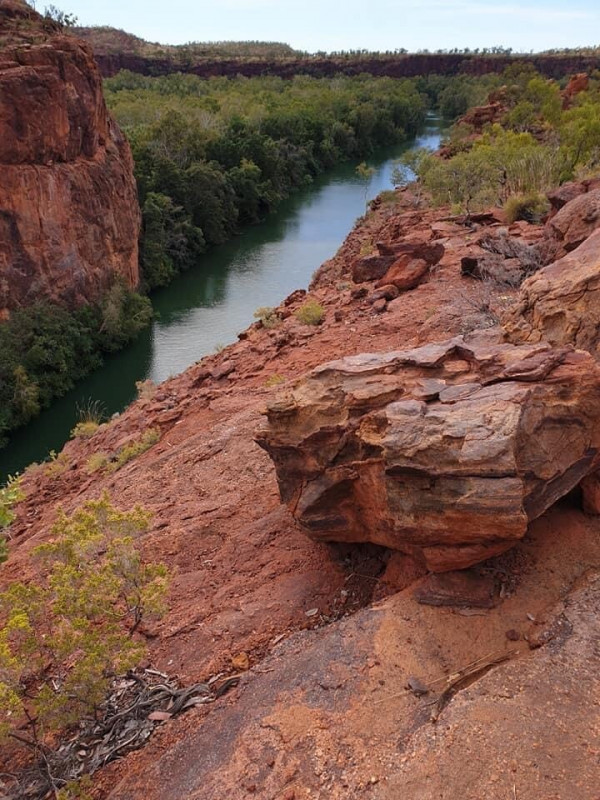
IN JUST under seven weeks Walloon residents Will and Delma Milligan explored Queensland, travelling 6,575 kilometres at an average of 15.1 litres of petrol per 100 kilometres.
The only damage to their car was one broken tail light.
During this journey Will used his UHF to his advantage, communicating with other road users for the purpose of overtaking or passing and road conditions.
Will said that being able to communicate with other drivers gives you the advantage of knowing who is going to get off the bitumen, information needed when overtaking.
“Road trains can exceed 50 metres long and have up to four trailers, meaning that they need to be respected and best avoided where possible,” he said.
“When driving on single or narrow bitumen roads, signs will remind you that you must give way to the road trains, meaning you must get off the bitumen road to allow them free travel.
“We prefer to get off the road to save a windscreen or stone chip damage to the vehicle or caravan, also to be very proactive to back off when one commences an overtaking manoeuvre.”
On single lane bitumen roads, the couple travelled at 80 km an hour as they found this gave them the best chance of slowing or stopping once they had spotted a heavy vehicle approaching.
“On main roads, I found 92 kms to be most comfortable as it gave other road users plenty of overtaking opportunities and it also returned us a reasonable fuel economy and kept us ahead of road trains as they are only permitted to travel up to 90 km an hour,” Will said.
“Also, after arriving at free camps, we try to park away from main roads, on as level ground as possible, reasonably close to toilets if available and not too close to other campers.
“Water can prove to be a traveller’s most precious commodity, and most of the towns only had bore water, which is okay as long as you filter it.
“We used disposable inline filters and replaced them every four weeks, without any issues.
“We only consumed the 600 millilitres bottles of drinking water, purchased in 24 packs.”
Effective mirrors are a must when towing caravans.
“These mirrors are usually a lot wider than the average towing vehicle, fitting and using extended mirrors are the only way drivers can know what is going on behind them.
“In a very high percentage of our travels, we experienced so many welcoming communities willing to greet and serve their customers.
We are no-longer, Grey Nomads, we are Small Town Revivors, who are now travelling within our great country and not overseas and our small towns are being revived.”