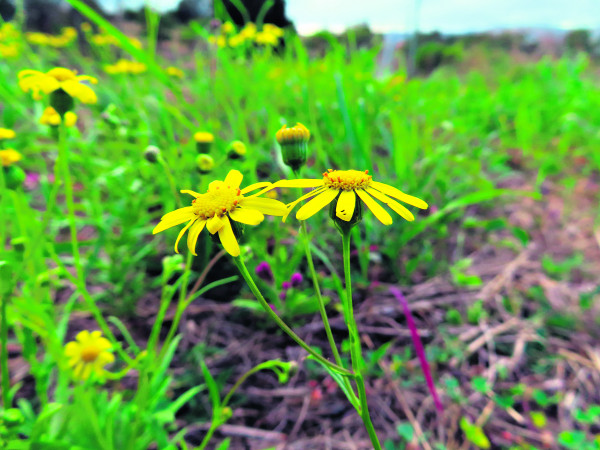
PADDOCKS carpeted with the yellow flowering invasive pest known as fireweed have become a common sight in rural areas and parkland.
Fireweed is an introduced weed that is toxic to livestock and causes illness, slow growth and poor condition in cattle which can ultimately result in death.
Thagoona resident Mark Thines said that he has spotted the weed this year more so than previous years.
“It is taking over paddocks and the roadsides throughout the area.
“When driving through Walloon, Thagoona, Rosewood and then out to Laidley the vibrant yellow flower from patches of fireweed catches the eye.”
He said the worst he has seen it in the five years he has lived in the area.
“I guess for many people who do not know what the weed is, it just comes across as a flowering plant with pretty yellow petals when actually the plant can be harmful.
“I don’t have a large property, so it is easy to make sure that the weed does not grow and spread.
“I just wonder what can be done to get the problem controlled in other areas so that it does not harm any livestock that reside where it grows.”
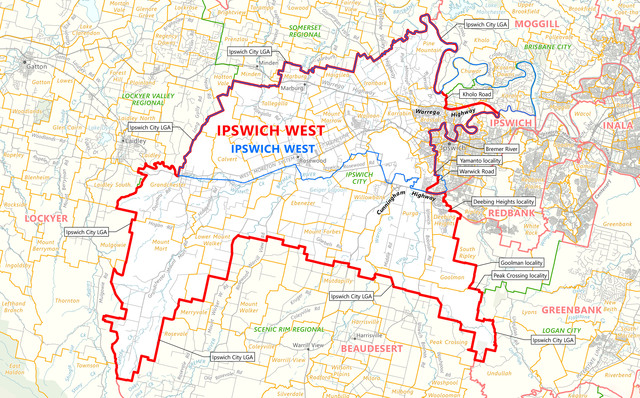
The Moreton Border News contacted the Ipswich City Council and was told that it had received a number of reports of fireweed infestations within the western areas of the local government area.
“We are within the peak growth period for fireweed, and unlike the past few years, it has been an extensive season for fireweed,” the spokesperson said.
“Fireweed is well established in South East Queensland and eradication is an unrealistic management target for council.
“Council encourages community members to develop a long-term management plan for the property.
“Fireweed infestations will persist for a number of years, and generally, the best outcome is achieved by combining a few different control measures to obtain the highest return for the investment.”
The city’s Biosecurity Plan contains advice on the management of fireweed.
• A local botanist explained that the increased prevalence of the pest was an outcome of the drought.
“When there’s a good season, often grass will out compete the weed. But the drought left large areas of bare dirt.
“The fireweed was quicker to respond to the rain which broke the drought and has gained a good hold on the countryside particularly during the cooler season, when grass growth is slowed.”