A WATER-efficient garden will meet your lifestyle needs without wasting water, no matter where you live.
Water-efficient gardens often require less maintenance and reduce garden running costs.
Good planning and design of your garden – whether new or a renovation– will ensure it is practical, enjoyable and water efficient.
Draw a scaled plan of your property and consider natural characteristics such as existing vegetation, drainage, type of soil, wind exposure, direction of sun and local climate. Landscape by planning what the different areas will be used for and considering views and areas that require screening.
Then think how you intend to water your garden (irrigation system or hand watering).
Determine how much maintenance you are prepared to take on and think about your budget.
Select the most waterwise plants based on the climate and soils of the area.
There are many drought-tolerant plants and plants that thrive in low water environments.
To find water-efficient plants suited to your local area, contact a nearby nursery or see if your local council has information on waterwise plants.
Features of waterwise plants include small or narrow leaves – lose less water through transpiration and light-coloured leaves which reflect light and keep leaves cooler.
Plants with deep root systems provide increased drought protection while hairy or tough leaf surfaces reduce moisture loss.
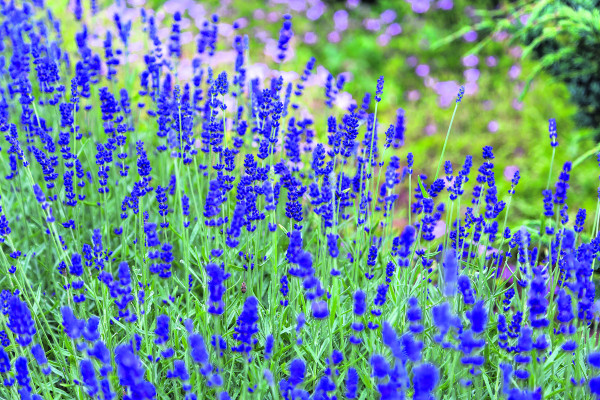
Some examples of plants that will tolerate dry conditions once established, as well as being somewhat tolerant of moist soil are Acacia, Correa, Gazania, Acanthus, Dietes, Grevillea, Cordyline, Echium and Lavender.
Divide the garden by zones because different plants need different amounts of water.
It is best to group plants according to their water, soil, and sun requirements.
For example, grass areas generally have different water needs to garden beds or trees and should be planted in separate areas.
Consider how the climate differs across parts of your property.
As an example, sensitive plants would be best positioned in the shade, whereas plants that can tolerate more heat and wind could be placed in the open or by a path. Include shaded areas and windbreaks – shaded areas make your garden more water efficient.
Shade from trees or structures helps reduce water loss through evaporation and helps create a comfortable, cooler living environment.
Identify areas where shady trees, shade sails, pergolas or other structures could be incorporated into your plan – strategic placement can make a big difference.