TODAY [May 31] marks the end of Domestic Violence Awareness Month, this story is a reminder of how the housing crisis affects those in relationships where domestic violence is present.
Tanya Davidson [not her real name] lives in rural Ipswich.
She shares a three bedroom townhouse with her partner of seven years and five children.
“My partner and I moved to the area from Canberra,” she said.
“He’d been involved in outlawed motorcycle clubs and got into a bit of strife, so we moved interstate.
“He’s always been really quick to anger and lashes out at me and the kids.
“It’s hard to know when he’ll arc up, so all of us just try to keep out of his way.”
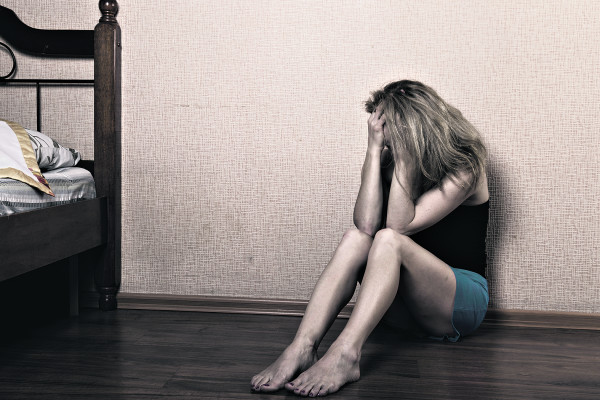
The couple are no longer an item but Tanya said she can’t find a rental and this means she’s stuck.
“We have triplets together and I brought two daughters into the relationship,” she said.
“I have been looking for a place to rent for about eight months.
“There are units I could afford but no one will rent to me because I’m on [Centrelink benefits] and have five children.
“What I can afford is usually a one or two bedroom unit, no landlord wants tenants with beds in the lounge room and hallways, but that’s what I’d need to do to make it work.”
With nowhere to go, Tanya said she had no option but to stay in the house with her ex partner..
“My name is on the lease too, he said if I leave with the triplets then he’d stop paying rent so I get blacklisted,” she said.
“I’m trying so hard to keep good credit and a clean rental history, he knows it and uses it against me.”
There has been no physical violence in the relationship and she said this aspect ‘always made her doubt’ her partner’s behaviour warranted help from agencies like the ones running women and children refuges.
“He says if leave him, it will be my biggest mistake and he has contacts that will ‘take me out’,”she said.
“I get woken up in the early hours of the morning with him standing over me, demanding to look at my phone and accusing me of sleeping around.
“When I am at work he bombards me with text messages telling me I need to prove I am there by taking a photo.
“He is also awful to my daughters and tells ‘t love them and that’s why he’s no longer in their lives.”
She said he spent just an hour or two of an evening interacting with the triplets before returning to his laptop games.
“I’m constantly stressed, anxious and trying to find money to pay for just the basics like food or clothing for the kids,” she said.
“He never really goes anywhere, he doesn’t work and sits all day at his computer playing games.
“I work but don’t earn much at all.
“He refuses to look after the triplets when I’m at work so they go to kindy five days a week.”
She said although she was stuck with him for now, she was applying for as many rental properties as possible.
“The sooner I find a place that accepts me and the kids, the sooner we get out of this toxic environment.”
OPERATION SHIELD
IPSWICH Police are targeting high risk and high harm domestic violence offenders through Operation Shield.
So far officers have arrested and charged 14 high risk offenders with offences including stalking, assault and contravention of domestic violence orders.
Officer in Charge Senior Sergeant Lee Fortune, said Operation Shield proactively targeted offenders using focussed deterrence strategies.
“We are committed to protecting and supporting victims of domestic and family violence and holding perpetrators to account,” he said.
“DFV is not only physical but can include abusive tactics that are emotional, sexual, financial, verbal, psychological or technology-based. “Police undertake a holistic overview of DFV matters using a variety of investigative tools and methodologies.”
Specialist officers and DFV behaviour specialists are working to identify offenders whose behaviour show signs of escalating.
“Operation Shield is an example of how pooling resources to focus on DFV holds offenders responsible and prevents further victimisation, he said.
“Whether you’re an officer, community member, or organisation, everyone has a role to play in ending domestic and family violence.
If you or someone you know is experiencing domestic and family violence, you should report it to police.
Support and counselling is available from the following agencies:
• DVConnect Womensline: 1800 811 811
• DVConnect Mensline: 1800 600 636
• 1800 RESPECT: 1800 737 732
• 13YARN: 13 92 76