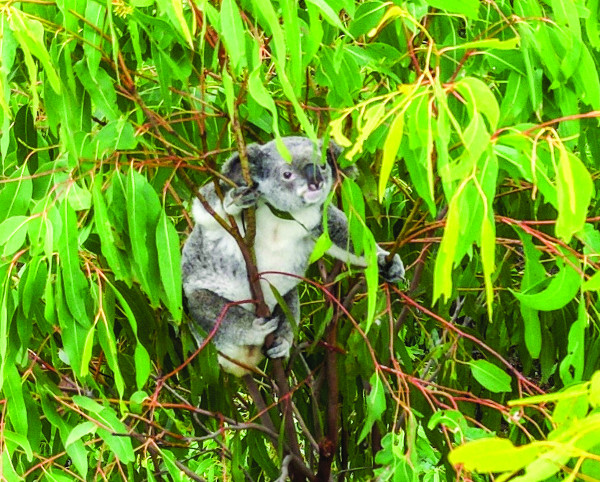
A CHLAMYDIA vaccine has been developed that reduces deaths in wild populations of koalas by at least 65 percent.
University of Sunshine Coast researchers said the vaccine was developed after lengthy trials and screening of wild koala populations in South East Queensland over 10 years.
Information gathered was combined to evaluate the vaccine’s effectiveness over multiple generations.
“Critically, the results show the vaccine can stop koalas dying from the disease and help aid the recovery of a declining population,” University of Sunshine Coast research fellow Dr Samuel Phillips said.
“By using this vaccine, the average age at which koalas are likely to develop chlamydial disease was pushed back more than three years, from five to over eight years old, protecting them during their main reproductive years.”
He is joined by the university’s Professor of Microbiology Peter Timms who said the study was the largest and longest ever conducted on koalas.
“It has conclusively confirmed the significant positive impact of this vaccine,” he said.
“Chlamydia in koalas can cause conjunctivitis, urinary tract and reproductive tract infections, and in severe cases blindness, severe cystitis, infertility and death.
“Left untreated, animals with severe infections may have their life expectancy reduced by several years.
“The current treatment is antibiotics, which has its limitations and can disrupt the koala’s ability to digest eucalypt leaves, leading to starvation and occasionally death.
“Treating infection often does not prevent future infection.”
The researchers said the vaccination was essential in reducing the rapid and devastating spread of the disease.
“This vaccine can play a role in the longer term survival of koalas, especially in South East Queensland and New South Wales where chlamydia affects 50 percent or more of populations,” Professor Timms said.
The project involved more than 680 wild koalas with approximately 150 koalas under veterinary management at any given time.
One hundred and sixty five koalas were vaccinated across five separate trials, using four similar versions of the vaccine.
While each trial lasted approximately two years, many of the koalas continued to be monitored until the end of the program in 2023.
“This allows us to evaluate the long term effectiveness of the vaccine across the life span of many individual animals,” Dr Phillips said.
“When vaccination is combined with multiple koala conservation strategies, including addressing traffic, wild and domestic dogs and importantly, retaining and restoring habitat, local population declines can be reversed.”